BTS in 2026: Why the Seven Legends Continue to Dominate Global Charts
It’s a quiet Tuesday evening in 2026, and you’re scrolling through your feed. Amidst the usual flurry of life updates and memes, a familiar name trends worldwide, sparking that little jolt of recognition and warmth. It’s BTS. But the context is a beautiful, chaotic mix that perfectly encapsulates their enduring reign. In one corner of the internet, a news report details how their music is, yet again, topping the weekly charts. Elsewhere, a fine art publication discusses a museum exhibit that group leader RM recently visited, causing a surge in ticket sales. And in a completely different sphere, a famous baseball player is going viral for attempting one of their dance challenges on a variety show. Even during a period of individual focus and military service, BTS isn't just a memory; they are a living, breathing, chart-dominating cultural ecosystem.
The Unstoppable Ascent of Seven
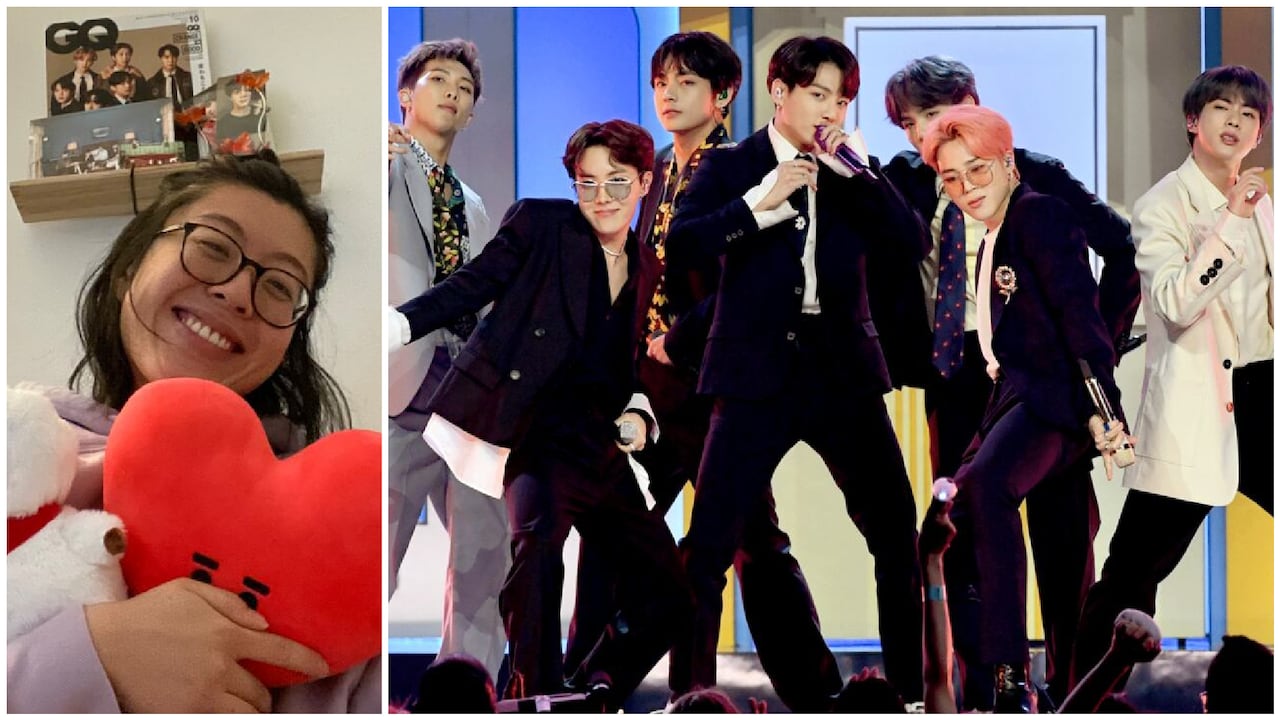
For anyone who has just recently fallen down the rabbit hole of K-pop, understanding BTS requires a trip back to 2013. In a landscape dominated by the polished offerings of the "Big Three" entertainment agencies, a small company then known as Big Hit Entertainment debuted a seven-member hip-hop group. RM, Jin, SUGA, j-hope, Jimin, V, and Jungkook were not an overnight success. Their early music was raw and aggressive, tackling societal pressures and the anxieties of youth with a sincerity that felt worlds away from the industry's typical love songs. They were underdogs, a narrative that their dedicated fandom, known as ARMY (Adorable Representative M.C. for Youth), embraced with ferocious loyalty. This origin story is crucial; it’s the foundation of the unbreakable bond between the group and their fans, a shared journey of overcoming odds that has powered their ascent from Seoul's small venues to selling out stadiums across the globe.
More Than Music: A Cultural Ecosystem
Tracing the musical evolution of BTS is like watching a single seed grow into a sprawling, vibrant forest. Their initial sound, heavily rooted in old-school hip-hop, was a bold statement. Tracks like "No More Dream" and "N.O" were brimming with youthful rebellion, a direct address to the immense academic and social pressure faced by Korean students. As they grew, so did their artistry. The *Most Beautiful Moment in Life* era introduced a more melodic, conceptually rich sound, weaving intricate storylines that explored the bittersweet nature of youth. This narrative depth culminated in the monumental *Love Yourself* series, which championed a message of self-acceptance that resonated globally, earning them their first Billboard 200 #1 album with *Love Yourself: Tear* in 2018. From there, they launched into the stratosphere, delivering the polished pop perfection of "Boy With Luv," the introspective artistry of *Map of the Soul: 7*, and the pure, unadulterated joy of their English-language singles "Dynamite" and "Butter." It's a discography that refuses to be static, mirroring their own journey from impassioned rookies to mature, reflective artists.

Even now, deep into their second chapter where individual members are exploring solo projects and fulfilling their mandatory military service, the collective power of BTS remains an industry phenomenon. The most recent Hanteo Chart data for the first week of May 2026 provides stunning proof: BTS has once again claimed the top spot on the Weekly World Chart. Think about that for a moment. With no active group promotions, their existing body of work and the unwavering dedication of their fanbase are powerful enough to keep them at the pinnacle of commercial success. For longtime fans, this might feel like watching your favorite sports team win a championship while their star players are on a hiatus; it's a testament not just to the quality of the game they already played, but to the loyalty of the crowd that continues to fill the stadium. This ongoing chart dominance demonstrates that BTS has cultivated an evergreen legacy, where their music isn't just consumed, but cherished and continuously revisited.
This legacy extends far beyond the charts, weaving itself into the very fabric of contemporary culture. When a news report mentions that RM, a known art aficionado, was spotted at a particular museum, it’s more than just celebrity gossip. It’s a reflection of the group’s influence as tastemakers and cultural ambassadors. RM’s quiet patronage of Korean artists and galleries often leads to a "Namjooning" effect, where fans follow in his footsteps, boosting the profiles of lesser-known creators and institutions. It's a bit similar to the "Oprah's Book Club" effect, but for the fine art world. This intellectual curiosity is a core part of their identity. Similarly, when a national sports hero like baseball player Hwang Jae-gyun makes headlines for performing a BTS dance challenge on television, it highlights their pervasive cultural footprint. Their choreography and music have become a shared language of pop culture, a go-to signifier of fun, skill, and contemporary relevance that transcends the boundaries of the music industry.
At the heart of this entire ecosystem is the profound, symbiotic relationship with their fans. The connection between BTS and ARMY is arguably one of the most powerful forces in modern music. It’s a dynamic built on years of mutual respect and open communication through platforms like Weverse (a fan community app) and live streams. This isn't a passive audience; they are active participants. They translate lyrics, organize massive charity drives that have raised millions for causes like UNICEF and Black Lives Matter, and mobilize with strategic precision to propel the group’s music to historic heights. Hearing a stadium of 60,000 people sing along to a Korean ballad in perfect unison, or seeing a fan chant (a synchronized cheer fans yell during specific song lines) executed flawlessly in Brazil, is to witness this connection in its purest form. It’s this emotional investment that explains why an album released years ago can re-enter the charts and why the name BTS continues to trend globally, day after day.
The Blueprint for a Modern Supergroup
The story of BTS is not just one of musical success; it is a story of paradigm shifts. They irrevocably changed the global music landscape, proving that language is no longer a barrier to superstardom. By achieving multiple #1 hits on the Billboard Hot 100 with songs performed predominantly in Korean, they shattered a ceiling that many thought was impenetrable. This achievement forced the Western music industry to acknowledge the power and commercial viability of non-English music on a scale never seen before. Furthermore, their success provided an undeniable boost to the South Korean economy, with the Hyundai Research Institute reporting in 2018 that the group was contributing over $4.65 billion to the country's GDP annually. They didn't just ride the *Hallyu* (Korean Wave); they became a tidal wave of their own, creating a blueprint for global reach that prioritizes authenticity, fan engagement, and meaningful storytelling over traditional industry formulas.
Start Your Journey with "Spring Day"
If you are looking for a single song that encapsulates the soul of BTS and their relationship with their fans, put on "Spring Day." Released in 2017, this alternative hip-hop and pop-rock ballad is a masterclass in emotional resonance. The lyrics, which speak of longing, loss, and the hope of a future reunion, have become an anthem for ARMY, a promise between them and the group that they will meet again. It is their longest-charting song on South Korea's Melon music chart for a reason—it’s more than a hit; it’s a comfort, a piece of shared history. Watch the music video, let the sweeping melodies wash over you, and you’ll begin to understand the depth of the connection that keeps BTS at the top of the world.
댓글
댓글 쓰기